Have you ever given your favourite t-shirt a big hug? It feels soft and cozy, doesn't it? But have you ever wondered where that t-shirt came from before it arrived in your wardrobe?
Today, we are going on an adventure to learn about something very special called organic clothing. We are going to become detectives and discover the benefits of organic clothing. It is a story about nature, kindness, and keeping our bodies happy!
What Does "Organic" Actually Mean?
Imagine a big, beautiful garden. In a regular garden, sometimes farmers use strong sprays to keep bugs away. These sprays can be a bit harsh. But in an organic garden, things are different.
Organic means growing plants exactly how nature intended. It is like letting the plants grow up with their best friends—the sun, the rain, and the healthy soil.
When farmers grow organic cotton (which is the fluffy white stuff many clothes are made of), they don't use yucky sprays. Instead, they use clever teamwork with nature. They might plant special flowers nearby to invite ladybugs to visit. Did you know ladybugs are like superheroes for plants? They protect the cotton without needing any chemicals at all!
Why is this important?
Because when we are kind to the plants, the plants are kind to us. This brings us to the first big benefit: safety for everyone.
1. Your Skin is Like a Sponge
Have you ever played in the rain and felt the water soak into your skin? Our skin is amazing! It protects us, but it also drinks up things that touch it. It is like a very smart sponge.
When we wear clothes, they touch our skin all day long. If those clothes were made with harsh sprays, tiny bits of those sprays might still be on the fabric. But with organic clothing, there are no harsh sprays. It is just pure, clean softness.
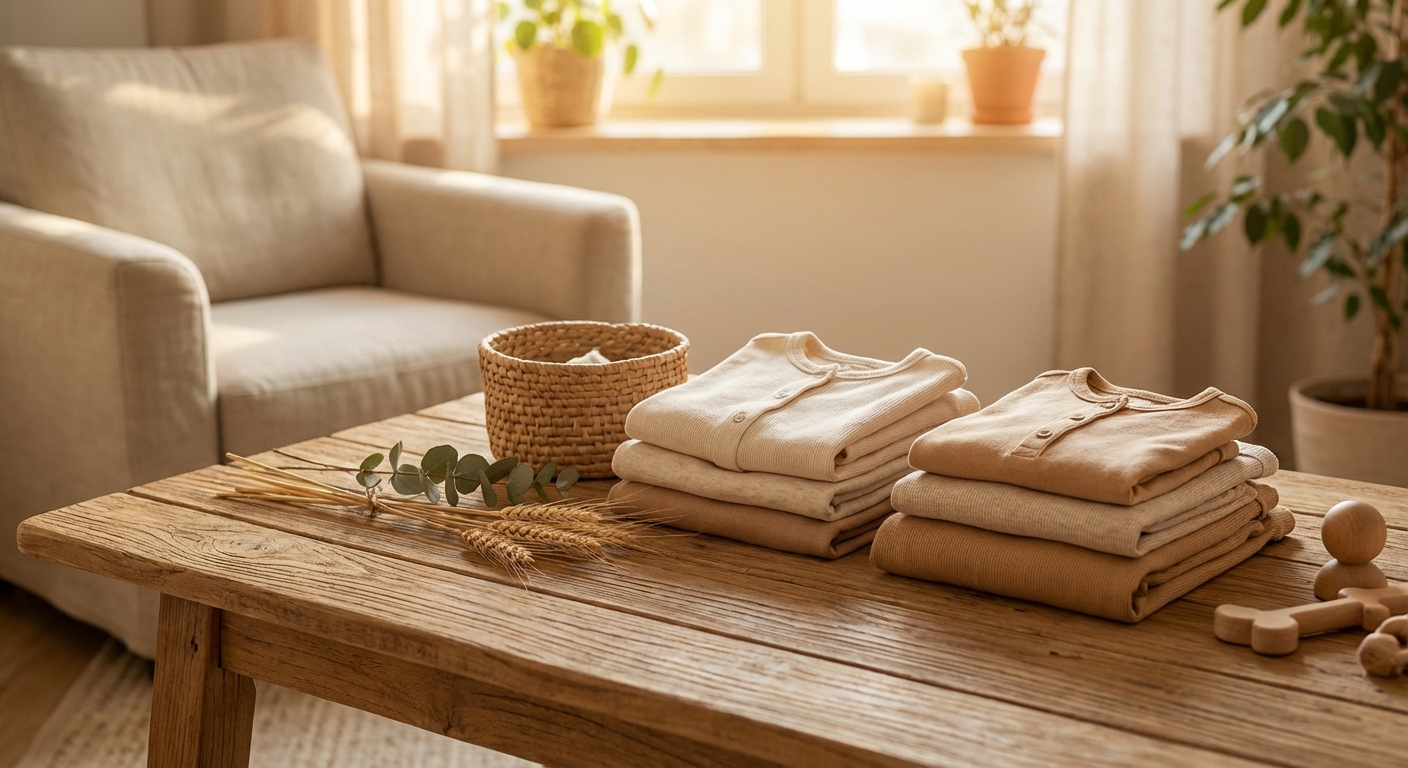
This is why one of the best benefits of organic clothing is that it is super gentle. It helps keep your skin calm and happy. It is like wearing a gentle cloud!
2. Being a Best Friend to Animals
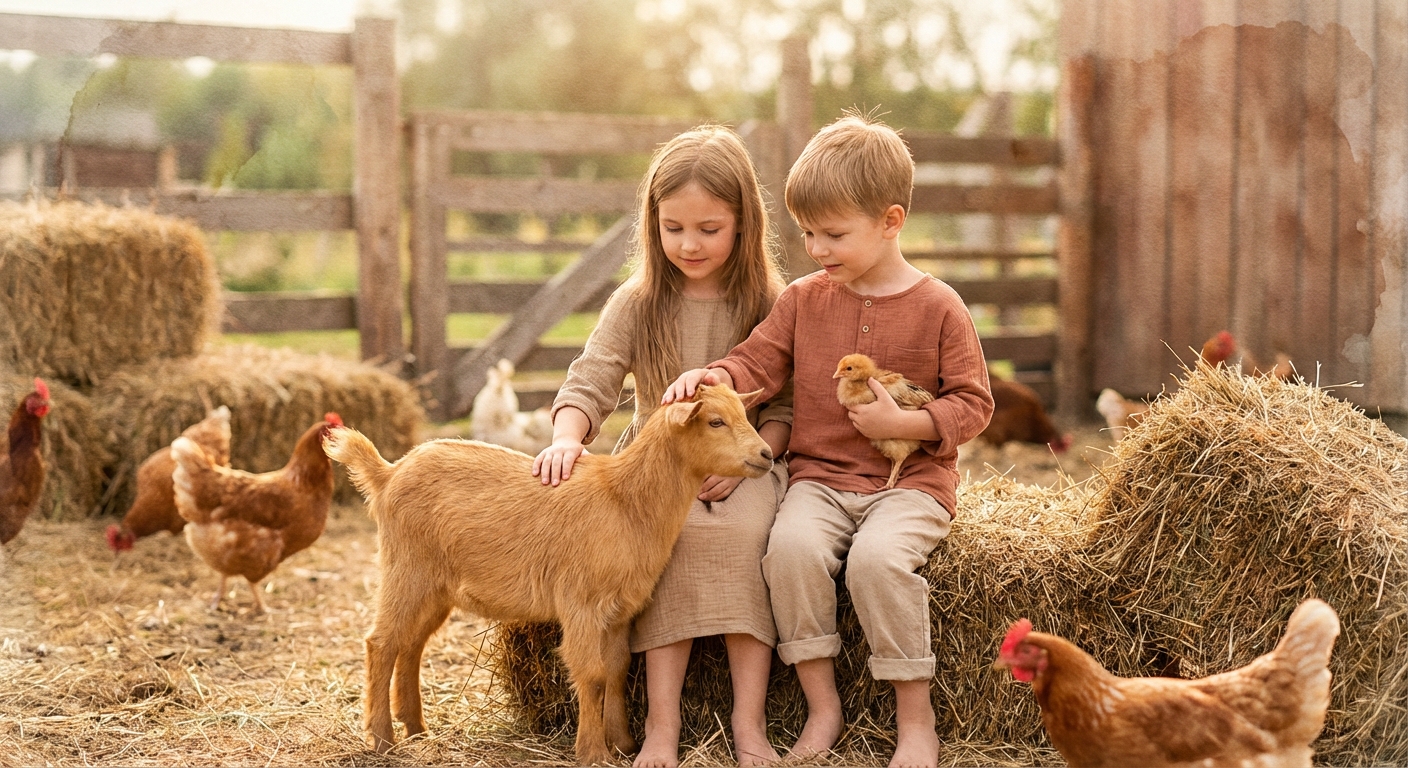
Do you love animals? Maybe you have a dog, a cat, or you love watching birds in the park. Well, choosing organic clothes is a great way to say "I love you" to nature's creatures.
Remember those harsh sprays we talked about? Sometimes, in regular farming, those sprays can wash into the rivers and streams. This can make the water not very nice for the fish and frogs living there.
But on organic farms, the water stays clean. This means:
- Fish can swim happily in clean rivers.
- Birds can find healthy worms to eat.
- Bees can visit flowers without getting sick.
By wearing organic clothes, you are helping to keep homes safe for all our animal friends. Isn't that a wonderful feeling?
3. The Super Soil Team
Let's talk about the dirt! Did you know that soil is alive? Healthy soil is full of tiny creatures, worms, and good bacteria that work together like a team. They help plants grow strong.
Organic farmers love their soil. They feed it with compost (which is like a vitamin smoothie for the ground). Because they don't use strong chemicals, the soil stays alive and healthy for a very, very long time.
When the soil is happy, it can hold more water. This is very important in Australia, where it can get very hot and dry. Healthy organic soil helps save water, which is good for the whole planet.
4. Farmers Stay Happy and Healthy
Have you ever thought about the people who grow the cotton for your clothes? Farmers work very hard under the sun. They plant the seeds and watch them grow.
One of the most important benefits of organic clothing is that it looks after the farmers too. Because they aren't spraying yucky stuff, the air around them is fresh and clean. They can breathe easily and stay healthy while they work.
It is nice to know that the person who grew your t-shirt was safe and happy, don't you think? It connects us to people we have never even met!
Become a Label Detective!
Now that you know why organic is cool, how do you find it? You can be a detective!
Next time you are shopping with your mum or dad, ask if you can look at the tags on the clothes. You are looking for special words or pictures. Just like we learn about food labels, we can learn about clothing labels too.
If you want to learn more about checking labels on things we buy, you can read our guide on Understanding Organic Certification in Australia. It helps us spot the real deal!
Look for these clues:
- The word "Organic"
- A logo that looks like a little green bud (that's the Australian Certified Organic logo!)
- The letters G-O-T-S (This stands for Global Organic Textile Standard – it’s a very high award for clothes!)
The Journey of a Happy Cotton Seed
Let's imagine the story of a cotton seed on an organic farm.
Step 1: The Planting. The farmer plants the seed in rich, dark soil that smells like the earth after rain.
Step 2: The Sunshine. The sun warms the soil, and the seed pops open. A tiny green shoot waves hello!
Step 3: The Helpers. A bug tries to eat the baby plant! Oh no! But wait—here comes a ladybug to save the day. The farmer smiles because nature is working together.
Step 4: The Harvest. The plant grows big fluffy white balls of cotton. The farmer picks them carefully.
Step 5: The Spinning. The cotton is spun into soft thread, without using any bleach or nasty stuff.
Step 6: Your Shirt. The thread is turned into fabric, sewn into a shirt, and makes its way to you!
This whole journey is full of care and kindness. When you wear that shirt, you are part of the story.
Is It Just About Cotton?
Nope! Organic clothing can be made from other things too.
- Wool: From sheep who live on organic farms with lots of green grass and open space.
- Bamboo: A super fast-growing plant that makes very soft fabric.
- Hemp: A very strong plant that doesn't need much water at all.
Just like we choose healthy foods for our bodies, we can choose healthy materials for our skin. Speaking of healthy choices, did you know that what we eat matters just as much as what we wear? Check out our article on The Dirty Dozen to learn which fruits and veggies are best to buy organic!
Why Do Organic Clothes Last Longer?
Have you ever had a shirt that got holes in it really fast? Sometimes, the harsh chemicals used to make regular clothes can make the tiny threads weak. They get tired and break.
But organic cotton fibers are strong and happy! They haven't been damaged by strong chemicals. This means your organic t-shirt can last for a long time. It might even last long enough to be passed down to a brother, sister, or friend.
Sharing clothes is a great way to reduce waste. It’s like giving your clothes a second life!
Questions to Ask Your Parents
Curiosity is a superpower! Here are some great questions you can ask your parents or teachers to learn more:
- "Where do my clothes come from?"
- "Do we have any clothes with the organic logo on them?"
- "How can we help the farmers who grow our cotton?"
- "Why does organic cotton feel softer?"
Talking about these things helps us all learn together. You can even talk about other natural choices, like reading food labels to see what ingredients are hiding in our snacks!
A Fun Experiment: The Touch Test
Do you want to try a science experiment at home?
Ask your parents if you have one organic cotton item and one regular cotton item. Close your eyes and ask them to hand you the fabrics one by one.
Can you feel the difference? Many kids say the organic one feels smoother and cozier. What do you think? Trust your fingers—they are great detectives!
Caring for Your Organic Clothes
Because organic clothes are special, we want to take good care of them. The good news is, it's easy!
We can wash them in cool water. This saves energy (which is good for the planet). And the very best way to dry them? The sunshine! In Australia, we have lots of beautiful sunshine. Hanging clothes on the line smells fresh and uses the power of the sun instead of a machine.
The Big Picture: Kindness in Every Thread
When we talk about the benefits of organic clothing, we are really talking about kindness.
It is kindness to the tiny bugs in the soil.
It is kindness to the farmers working in the fields.
It is kindness to the fish in the rivers.
And most of all, it is kindness to your own amazing body.
Every time we choose organic, we are voting for a happier, healthier world. We are saying, "I care about nature!"
Remember, you don't have to change everything all at once. Maybe your next pair of pyjamas can be organic. Or maybe your next pair of socks. Every little bit helps. It is all about taking small steps together.
If you are interested in how other things affect our health, you might want to read about The Hidden Dangers of Ultra-Processed Foods. It’s another way to keep our bodies strong and happy!
Your Mission, Should You Choose to Accept It
Next time you get dressed, take a look at your tag. See what your clothes are made of. Ask questions. Be curious! You have the power to make great choices for yourself and the planet.
Nature is amazing, and so are you. Let’s work together to keep our world green, clean, and beautiful!
Natural Remedies
Natural Ways to Soothe Sensitive Skin
If you love organic clothing because it is gentle, you might love these natural skin treats too! Always ask an adult for help first.
- Oatmeal Bath: If your skin feels itchy, a bath with colloidal oatmeal (finely ground oats) feels like a warm hug. It is very calming!
- Aloe Vera: This spiky plant has a cool, clear jelly inside its leaves. It is wonderful for soothing skin that has been in the sun too long.
- Coconut Oil: Just a tiny bit of organic coconut oil can act as a natural moisturiser to keep skin soft after a bath.
Medical Journals
Allergic contact dermatitis in children: which factors are relevant? - Simonsen, A.B. et al. (Pediatrics (Official Journal of the American Academy of Pediatrics), 2015)
Organic foods for human health: A systematic review of observational studies - Vigar, V. et al. (Nutrients, 2020)
Research Studies
Potential of persistent organic pollutants (POPs) transport via textiles and potential health risks - Li, L. et al. (Science of The Total Environment, 2020)
Microplastics in the environment: A critical review of current understanding and future research needs - Akdogan, Z. and Guven, B. (Environmental Pollution, 2019)