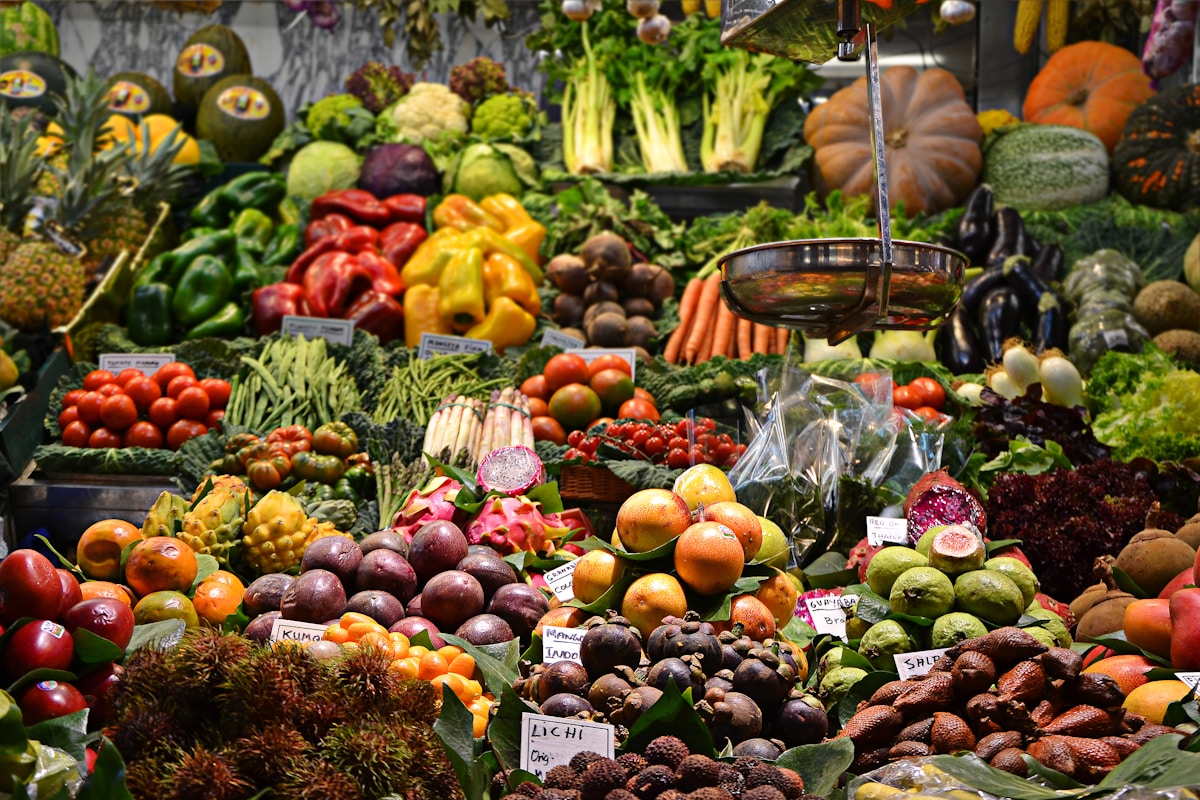
Standing in the produce section, you're faced with a dizzying array of labels: "organic," "certified organic," "spray-free," "natural." What do they actually mean, and which ones can you trust?
Australian Organic Certification Bodies
In Australia, organic certification is managed by several accredited bodies:
- Australian Certified Organic (ACO): The largest certifier, using the distinctive "bud" logo
- NASAA Certified Organic: One of the oldest certifiers in Australia
- Organic Food Chain (OFC): Focuses on smaller producers
What "Certified Organic" Actually Means
For a product to carry certified organic status in Australia, it must:
- Be produced without synthetic pesticides or fertilisers
- Contain no genetically modified organisms (GMOs)
- Meet strict animal welfare standards (for animal products)
- Undergo annual audits and inspections
- Maintain detailed records of all farming practices
The "Organic" vs "Certified Organic" Difference
Here's the crucial distinction: anyone can label their product "organic" without certification. Only products with official certification logos have been independently verified. Always look for the certification logo, not just the word "organic."
Is Organic Worth the Cost?
While organic products often cost more, consider the hidden costs of conventional farming: environmental degradation, pesticide exposure, and long-term health impacts. For families on a budget, prioritise organic versions of the "Dirty Dozen"—produce with the highest pesticide residues.
Natural Remedies
If budget constraints limit your organic purchases, these practices can help reduce pesticide exposure:
- Vinegar wash: Soak produce in 1 part vinegar to 3 parts water for 15 minutes
- Baking soda soak: Add 1 teaspoon of baking soda per 2 cups of water
- Peel when possible: Remove outer layers of non-organic produce