Not all produce is created equal when it comes to pesticide residues. Understanding which fruits and vegetables carry the highest chemical loads can help you make smarter choices for your family.
Australia's Dirty Dozen
Based on testing data, these conventionally grown items typically contain the most pesticide residues:
- Strawberries - Often contain multiple pesticide residues
- Spinach - High levels of permethrin detected
- Apples - Treated with multiple fungicides and insecticides
- Grapes - Particularly imported varieties
- Peaches - Thin skin absorbs chemicals easily
- Pears - Similar issues to apples
- Cherries - Multiple pesticide applications common
- Tomatoes - Especially cherry and grape varieties
- Celery - No protective skin, highly absorbent
- Capsicum - High residue levels detected
- Potatoes - Treated during growth and storage
- Lettuce - Large surface area, multiple applications
The Clean Fifteen
These items typically have lower pesticide residues, making conventional versions relatively safer:
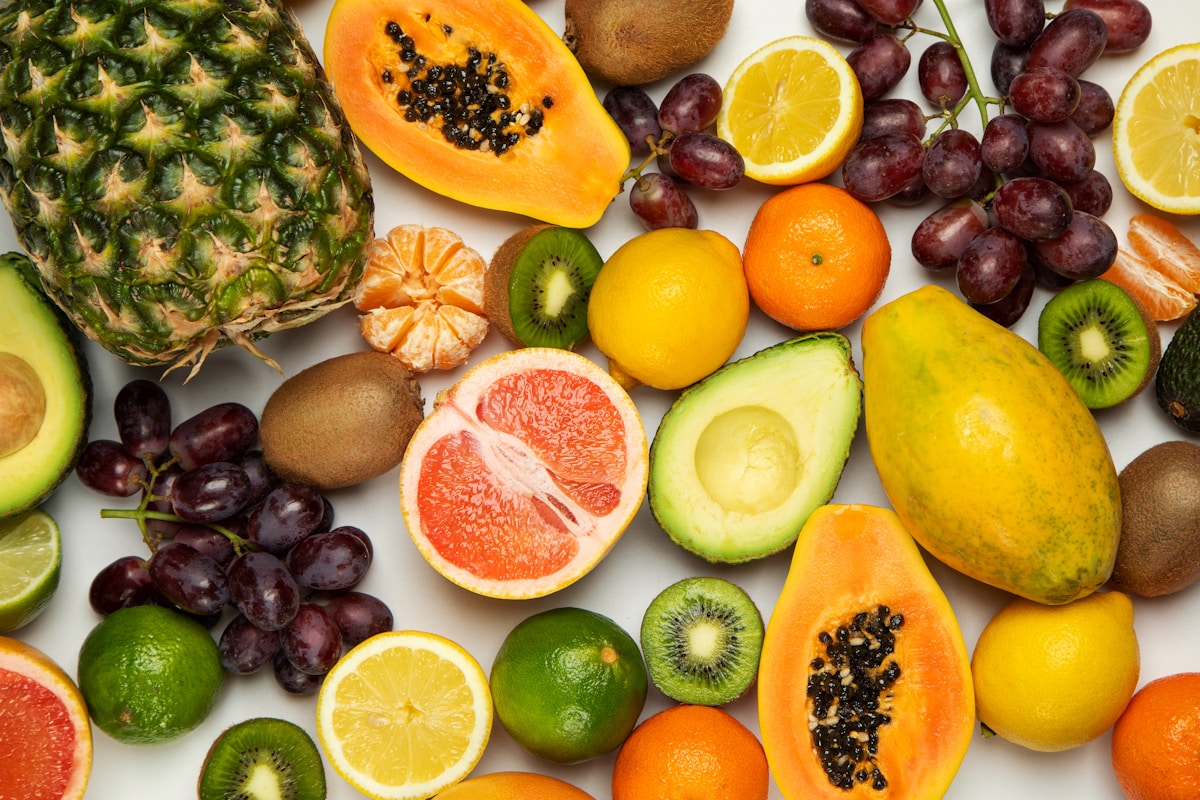
- Avocados, sweet corn, pineapple, onions, papaya
- Frozen peas, eggplant, asparagus, broccoli, cabbage
- Kiwi, rockmelon, honeydew, mushrooms, mangoes
Practical Strategies
If you can't afford all organic, prioritise organic versions of the Dirty Dozen and save money on the Clean Fifteen. Also consider:
- Shopping at farmers' markets where you can ask about spray practices
- Growing your own herbs and salad greens
- Buying frozen organic produce, which is often cheaper
Natural Remedies
Reduce pesticide exposure with proper washing:
- Baking soda solution: 1 teaspoon per 2 cups water, soak for 12-15 minutes
- Salt water: 10% salt solution removes some surface residues
- Peel when possible: Removes surface pesticides (but also nutrients)
Note: Washing reduces but doesn't eliminate systemic pesticides absorbed into produce.