Why Is Eating So Complicated?
Have you ever looked at a wild animal and wondered why they don't seem to stress about their diet? A koala doesn't count calories in eucalyptus leaves. A lion doesn't worry if it's getting enough zinc. They just eat. Yet, for us humans, navigating the grocery store feels like we need a PhD in biochemistry.
You are not alone in feeling overwhelmed. In fact, if you feel like throwing your hands up because "it's too hard," that is a completely normal reaction to the modern food environment.
The truth is, Big Food marketing thrives on your confusion. They make health seem like a complex mathematical equation so they can sell you the "solution" in a packet. But here at Smart Carrot, we believe in stripping back the noise.
Today, we are going to answer your burning question: why micronutrients matter, what in the world "piotics" are, and whether you really need to measure every bite you take. Spoiler alert: It is actually much simpler than you think.

The Difference Between Macros and Micros (The Car Analogy)
To understand nutrition without the headache, imagine your body is a high-performance vehicle.
Macronutrients: The Fuel
Most people obsess over macronutrients (Macros). These are proteins, fats, and carbohydrates. This is the petrol in your tank. You need a lot of it to keep the car moving. If you run out, the car stops.
Micronutrients: The Oil and Spark Plugs
Micronutrients are the vitamins and minerals. You need them in tiny amounts (hence "micro"), but they are non-negotiable. Without oil, brake fluid, and spark plugs, it doesn't matter how much petrol you put in the tank—the car will eventually break down, rust, or explode.
This is why micronutrients matter. They are the spark plugs of your body. They unlock the energy from your food, regulate your hormones, and build your child’s immune system.
Why Do We Have to Care When Animals Don't?
You asked a brilliant question: "Every animal on the planet eats, why so confusing for humans?"
The answer lies in what we are eating compared to animals.
Animals in the wild eat whole foods exactly as nature intended. They eat from nutrient-rich soils and environments suited to their biology. Humans, however, have largely stopped eating food. Instead, we are eating food-like products.
Here is why we now have to pay attention:
- Soil Depletion: Australian soils are some of the oldest and most weathered on earth, often low in zinc, magnesium, and selenium. Industrial farming has stripped them further. An apple today does not have the same nutrient density as an apple from 1950.
- Ultra-Processed Foods: When you strip the fibre and vitamins out of wheat to make white bread, you remove the nutrition. Big Food adds synthetic vitamins back in and calls it "fortified," but your body knows the difference. You can read more about this in our guide on The Hidden Dangers of Ultra-Processed Foods.
- Chemical Interference: Pesticides like glyphosate can bind to minerals, making them unavailable to your body. This is why we advocate for organic where possible.
Stop Counting, Start Chewing: The Forgotten Step
You mentioned, "how many times you chew is important too so you absorb nutrients or something?"
Yes! And it is free. You don't need a supplement for this.
Digestion does not start in your stomach; it starts in your mouth. Your saliva contains enzymes (like amylase) that begin breaking down food immediately. If you inhale your food without chewing, you are sending huge, undigested chunks into your stomach.
Why Chewing Matters for Parents
If you or your kids are prone to bloating or fatigue after meals, try this:
- Chew until it's liquid: This signals your stomach to produce acid.
- Rest and Digest: Eating while stressed shuts down digestion. Sit down as a family.
If you don't chew well, you aren't absorbing those precious micronutrients. You are literally flushing expensive organic food down the toilet.
Deciphering the "Piotics": Pro, Pre, and Post
The gut health world is full of buzzwords. Let's simplify the "piotics" you asked about.
1. Probiotics (The Seeds)
These are the live beneficial bacteria. Think of them as seeds you are planting in your garden (gut). You get these from fermented foods like yoghurt, kefir, and sauerkraut.
2. Prebiotics (The Fertilizer)
You can plant all the seeds you want, but if you don't water and fertilise them, they die. Prebiotics are the fibre that feeds the good bacteria. You get these from onions, garlic, bananas, and asparagus.
If you want to dive deeper into how to get these naturally without pills, check out our article on Fermented Foods: Ancient Wisdom for Modern Gut Health.
The "Teeny Tiny Things" You Actually Need
You do not need to measure milligrams in a lab. However, because we live in a modern world with depleted soils, there are a few heavy hitters that Australian families are often missing.
Magnesium: The Chill Pill
What it does: Relaxes muscles, helps sleep, reduces anxiety.
Where to get it: Dark leafy greens, cacao, nuts, seeds.
Why we miss it: Stress burns through magnesium rapidly.
Zinc: The Immune Shield
What it does: Healing, immune defence, skin health.
Where to get it: Red meat, pumpkin seeds, oysters.
Why we miss it: Australian soil is notoriously low in zinc.
Vitamin D: The Sunshine Hormone
What it does: Bone strength, mood regulation, immune function.
Where to get it: The sun! Also fatty fish and egg yolks.
Why we miss it: Despite living in a sunny country, we spend too much time indoors. (See: Screen Time and Children).
Big Food Wants You Confused
The reason nutrition feels like rocket science is that if you knew the truth, processed food companies would go out of business.
If you understand that a "fruit strap" has no micronutrients and is just sugar, you won't buy it. If you understand that "fortified cereal" is just dead grain sprayed with synthetic chemicals, you might switch to eggs or oats.
To navigate the supermarket without getting a headache, you need to know what you are looking at. We highly recommend reading our guide on Reading Food Labels: The Ingredients Big Food Doesn't Want You to Understand.
The Simple Solution: Eat the Rainbow
So, do you have to measure every tiny thing? No.
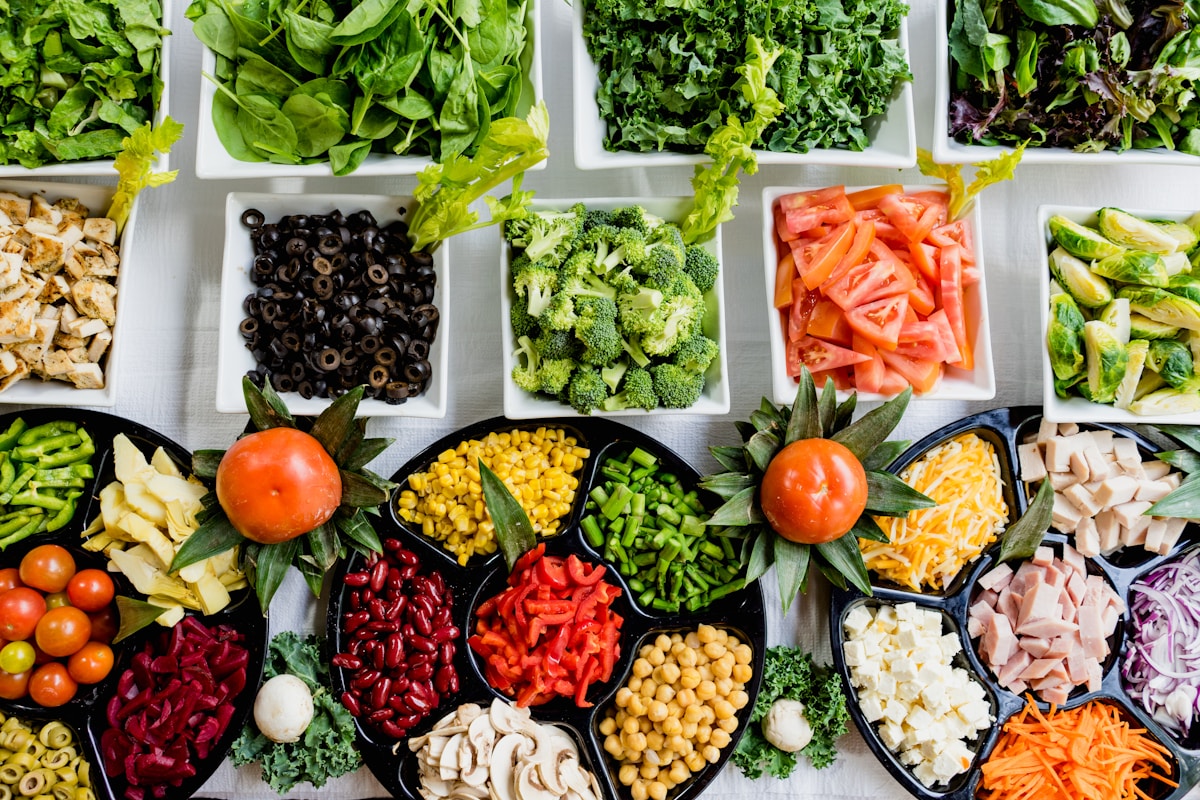
Nature has a colour-coding system. Different colours in vegetables represent different micronutrients.
- Red: Heart health (Lycopene)
- Orange: Eye and skin health (Beta-carotene)
- Green: Detoxification and energy (Chlorophyll, Magnesium)
- Purple: Brain health (Anthocyanins)
- White: Immune system (Allicin)
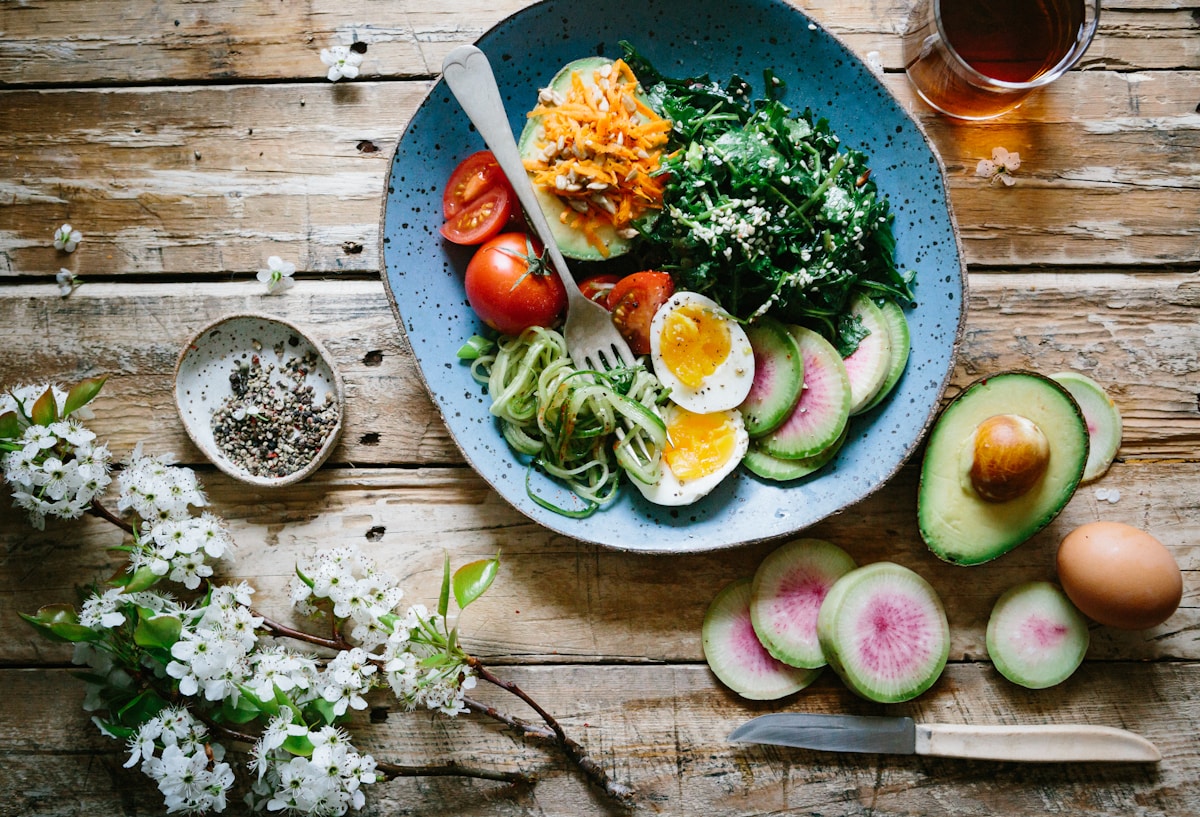
If your family's plate looks beige (bread, pasta, nuggets, chips), you are likely starving of micronutrients, even if you are full. If your plate looks like a rainbow, you are likely getting everything you need without counting a single milligram.
Conclusion: Trust Nature, Not Numbers
Health doesn't have to be hard. It only becomes hard when we stray too far from nature.
Why micronutrients matter is simple: they are the tools your body uses to build a healthy human. But you don't need a calculator to get them. You just need to return to whole, real foods, grown in good soil, and take the time to chew and enjoy them.
Don't let the complexity paralyse you. Start small. Add a colour to dinner tonight. Chew your food a little longer. Your body knows what to do with the rest.
Natural Remedies
Nature's Micronutrient Boosters
Before you run to the pharmacy for synthetic multivitamins, try these powerhouse whole foods:
- Liver Pate: Often called "nature's multivitamin," liver is packed with Vitamin A, B12, and Iron in the most absorbable form. Hidden in bolognese, kids won't even know.
- Nettle Tea: Stinging nettle is a wild weed that is incredibly high in calcium and magnesium. A gentle tea can be great for mineral replenishment.
- Bone Broth: Simmering bones releases deep minerals. It’s an easy way to drink your micronutrients. Read more about whether it's worth the hype in our article: Bone Broth: Superfood or Overhyped Trend?
- Camu Camu Powder: If you need Vitamin C, skip the orange juice (which is high in sugar) and try this berry powder in a smoothie.
Medical Journals
Impact of Micronutrient Deficiencies on Later Life Health - Bailey, R. L., West Jr, K. P., & Black, R. E. (The Lancet, 2015)
Research Studies
Dietary micronutrient deficiency profiles in the US population (NHANES 2003–2006 and 2011–2014) - Bird, J. K., et al. (Nutrients, 2017)